
Enhance Emotional Literacy
Learning to accurately identify and appropriately express your emotions.
Practical workplace skill
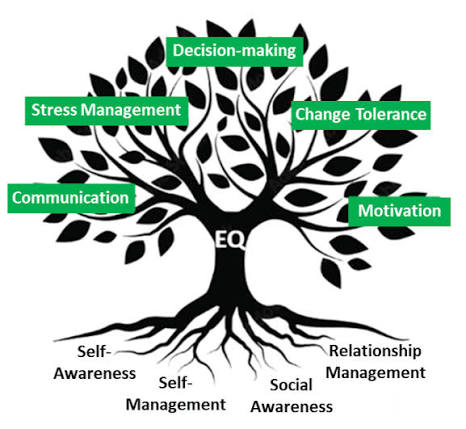
Emotional intelligence (EQ) is the ability to blend thinking and emotion to make sound decisions, respond well under pressure, and interact effectively with others. Technical skills alone are not enough, managing emotions, communicating clearly, handling stress, and building relationships is what separates average employees from high performers. At VBLT, EQ is developed as a practical workplace skill, not theory.
Why it matters
Emotional intelligence directly impacts how employees respond to pressure and stress, communicate with coworkers and leadership, handle conflict and difficult situations, make decisions in real time, and build trust and professional relationships.
Organizations that develop it see better communication, collaboration, leadership effectiveness, accountability, and culture.
The Six Seconds Model
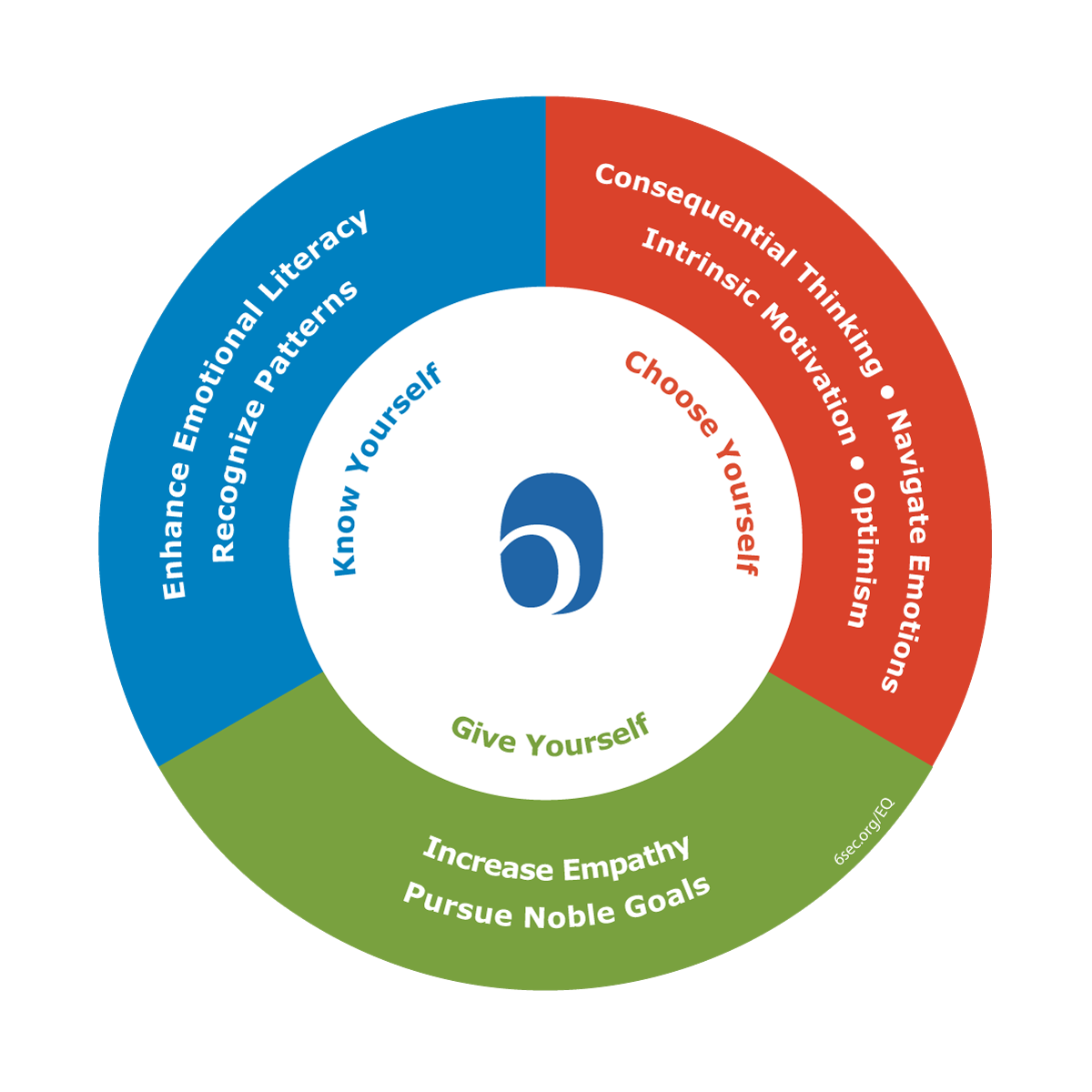
The Six Seconds KCG model organizes emotional intelligence into three actions: Know Yourself, Choose Yourself, and Give Yourself. It is a practical path for turning self-awareness into intentional leadership.
Accurately detecting emotions, making sense of them, and understanding how they drive our reactions.
Switching off the autopilot to move from unconscious reaction into intentional response.
Leaning forward to create effective solutions, fueled by feeling a connection with the larger world and your own sense of purpose.
Core Competencies
These are the measurable skills leaders develop to respond better under pressure, communicate with clarity, and build teams that perform.
Learning to accurately identify and appropriately express your emotions.
Consciously identifying our own habitual reactions.
Assessing the short- and long-term costs and benefits of our choices, emotionally as well as tactically.
Managing feelings to access the wisdom and energy they offer.
Gaining energy from personal values and commitments versus being driven by others.
Taking a perspective of choice and opportunity.
Recognizing and appropriately responding to others' emotions.
Connecting your daily choices with your deepest sense of purpose.
Certification through 6seconds.org.
What makes this different
A short call to name what is actually breaking and what success looks like in 90 days.